In today's digital marketplace, a business without a website faces a significant disadvantage. Consumers increasingly rely on online research before making purchasing decisions, contacting service providers, or visiting local businesses. Whether someone needs a restaurant, contractor, law firm, marketing agency, consultant, child care center, or retail store, their journey often begins with a search engine.
Despite this reality, some business owners still question whether a website is truly necessary. Others rely solely on social media platforms, online directories, or word-of-mouth referrals. While those marketing channels can certainly support business growth, they should not replace a professional website. A website remains one of the most important digital assets a company can own.
A business website serves as the foundation of an online presence. It provides credibility, increases visibility, supports marketing efforts, and creates opportunities to attract and convert potential customers. Companies that invest in a strong website often position themselves for long-term success while competitors struggle to keep pace.
Credibility Starts With Your Website
One of the most important benefits of having a website is credibility. Modern consumers expect legitimate businesses to maintain a professional online presence. When potential customers cannot find a website, they often question whether a company is established, trustworthy, or actively operating.
A website allows businesses to control their message and present information professionally. Visitors can learn about services, products, company history, team members, customer reviews, and contact information in one convenient location. This accessibility helps build confidence and encourages customers to take the next step.
Trust plays a major role in purchasing decisions. Before contacting a business, many consumers compare options online. They read reviews, browse websites, evaluate service offerings, and assess professionalism. A high-quality website helps businesses make a positive first impression while demonstrating expertise and reliability.
Visibility, Search, And Always-On Access
Visibility is another major advantage. A website gives businesses the opportunity to appear in search engine results when customers are actively looking for products or services. Search engine optimization, commonly known as SEO, helps websites rank for relevant search terms and attract qualified traffic.
For example, a customer searching for Milwaukee web design, local SEO services, website maintenance, digital marketing, or business branding may discover a company through search results. Without a website, those opportunities may never occur. Search visibility allows businesses to connect with customers at the exact moment they are seeking solutions.
Unlike traditional advertising, a website remains available twenty-four hours a day. Potential customers can learn about a business, review services, submit inquiries, and schedule consultations at any time. Even while a business owner is sleeping, attending meetings, or serving existing clients, the website continues working.
This constant accessibility creates opportunities for lead generation that would otherwise be missed. Businesses no longer need to rely exclusively on office hours to engage potential customers. A website functions as a digital salesperson that supports growth around the clock.
Lead Generation By Design
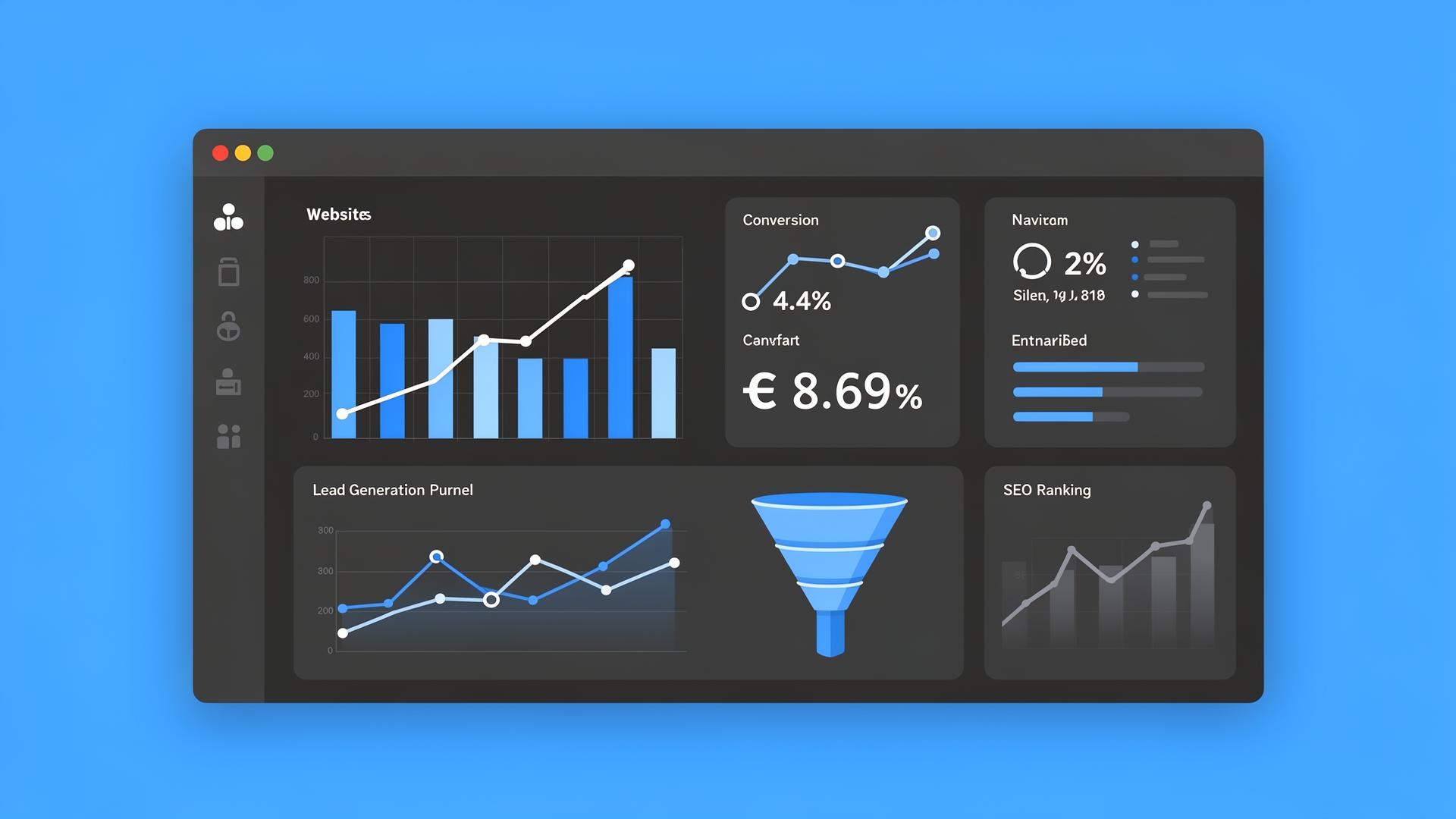
Another important benefit is lead generation. Effective websites are designed to convert visitors into prospects. Through strategically placed calls-to-action, contact forms, quote requests, appointment scheduling tools, and consultation forms, businesses can encourage engagement and collect valuable leads.
A website should do more than provide information. It should guide visitors toward meaningful actions. Whether the goal is generating phone calls, appointment requests, consultation bookings, or product purchases, every page should contribute to the overall customer journey.
Many business owners underestimate the influence of website design on customer behavior. Visitors often form opinions within seconds of arriving on a website. Outdated layouts, slow loading times, poor navigation, and confusing messaging can cause visitors to leave before exploring services.
Professional website design helps establish credibility while improving user experience. Clean layouts, intuitive navigation, mobile responsiveness, and strong visual presentation create positive impressions that encourage engagement. Businesses that prioritize user experience often achieve higher conversion rates and stronger customer satisfaction.
Mobile Experience Is Non-Negotiable
Mobile optimization has become particularly important. The majority of online searches now occur on smartphones and tablets. Consumers expect websites to load quickly, display correctly, and function smoothly regardless of screen size. Businesses that ignore mobile usability risk losing potential customers before meaningful interactions occur.
A mobile-friendly website ensures visitors can easily browse content, submit forms, call the business, and access important information. Search engines also prioritize mobile usability when determining rankings, making mobile optimization beneficial for both users and SEO performance.
Content That Builds Authority
Content marketing represents another powerful advantage of having a website. Businesses can publish educational resources, blog articles, guides, FAQs, and industry insights that help potential customers solve problems and make informed decisions. Helpful content establishes authority while creating additional opportunities for search visibility.
For example, a marketing agency may publish articles about SEO strategies, website design best practices, branding, lead generation, digital advertising, and conversion optimization. These resources demonstrate expertise while attracting prospective customers through organic search traffic.
A website also provides greater control than social media platforms. While social media can be valuable for engagement and brand awareness, businesses do not own those platforms. Algorithms change, reach fluctuates, and account restrictions can occur unexpectedly.
A website, however, belongs to the business. Owners maintain control over content, design, functionality, and customer experience. This ownership creates stability and ensures marketing efforts contribute to a long-term digital asset rather than a third-party platform.
Social Proof And Trust Signals
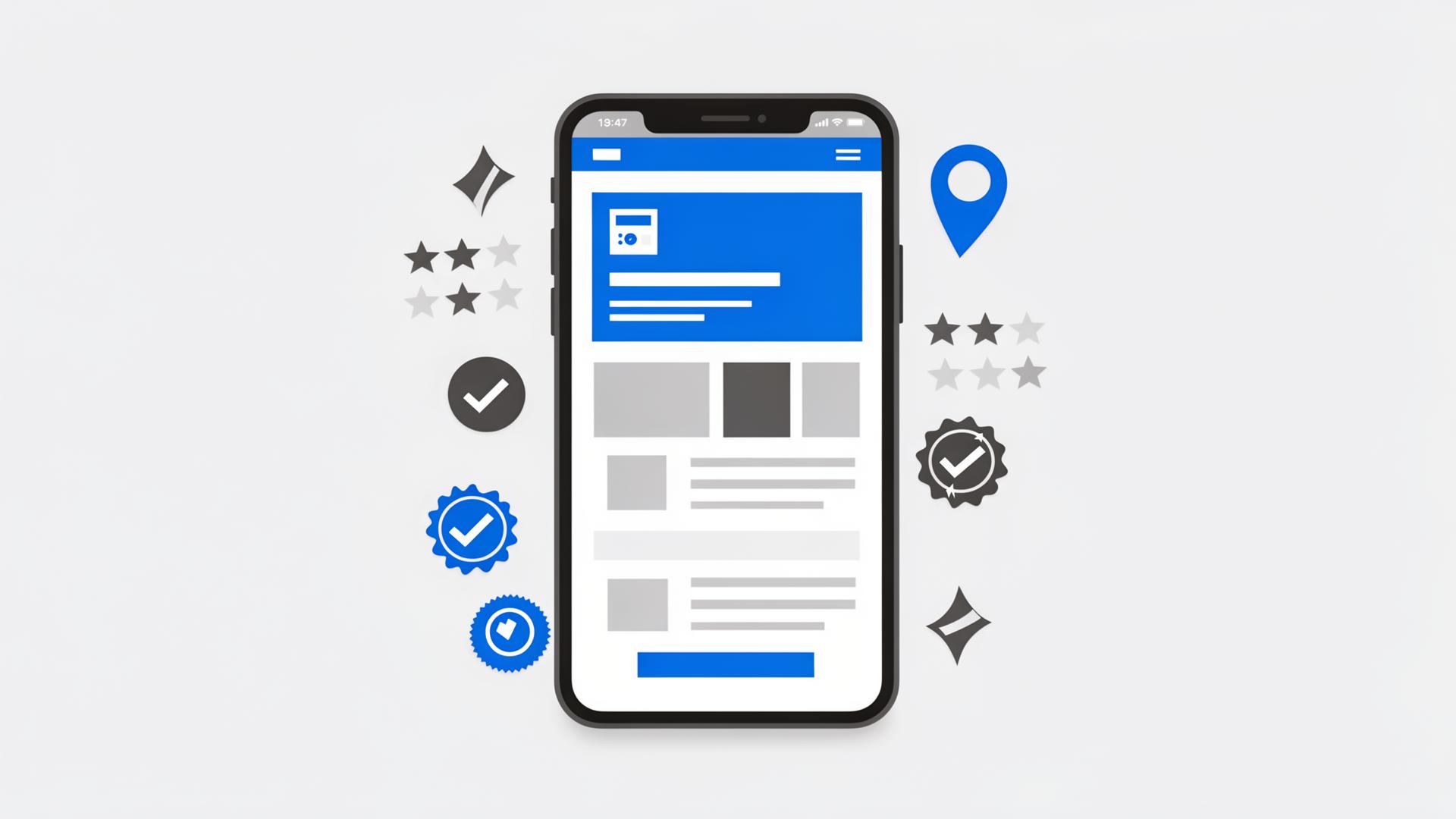
Customer reviews and testimonials can further strengthen a website's effectiveness. Social proof helps reassure prospective customers that previous clients have had positive experiences. Reviews often influence purchasing decisions and can significantly improve conversion rates.
Businesses should highlight testimonials, success stories, project examples, and case studies whenever possible. These trust-building elements help visitors feel more confident about contacting the company or making a purchase.
Websites also support broader marketing strategies. Email marketing, social media campaigns, paid advertising, local SEO, and content marketing all perform more effectively when connected to a strong website. The website serves as a central destination where prospects can learn more and take action.
Without a website, marketing efforts often lack a clear destination. Businesses may generate awareness but struggle to convert that attention into measurable results. A website bridges the gap between interest and action.
Competition And Analytics
Another important consideration is competition. In many industries, competitors already maintain professional websites and actively invest in digital marketing. Businesses without websites may lose opportunities simply because customers choose companies that are easier to find online.
Consumers often compare multiple businesses before making decisions. A professional website helps ensure a company remains competitive while providing an opportunity to differentiate itself through messaging, branding, service quality, and customer experience.
Analytics provide another significant advantage. Website owners can track traffic, user behavior, lead generation, conversion rates, and marketing performance. This data helps businesses make informed decisions and improve results over time.
Understanding how visitors interact with a website allows companies to identify strengths, weaknesses, and opportunities for growth. Data-driven improvements often produce better outcomes than relying on assumptions alone.
Small Businesses Benefit The Most
One common misconception is that websites are only necessary for large companies. In reality, small businesses often benefit the most. A website helps level the playing field by allowing smaller organizations to compete with larger competitors online.
Local businesses can use websites to showcase services, highlight customer reviews, provide contact information, and attract nearby customers through local search optimization. Even businesses with strong referral networks benefit from providing prospects with a professional online destination.
A Website Is An Investment In Growth
Ultimately, a website represents far more than an online brochure. It is a credibility tool, lead generation system, marketing platform, customer service resource, and growth engine. Businesses that invest in professional websites often experience stronger visibility, improved customer trust, higher engagement, and better long-term results.
Successful companies understand that a website is not an expense. It is an investment in future growth. As consumer behavior continues shifting toward digital research and online interactions, businesses that establish a strong online presence position themselves for lasting success.
Ready to strengthen your online presence? Young World Marketing helps businesses create professional websites designed to increase visibility, build credibility, generate qualified leads, and support sustainable growth through strategic web design, SEO, branding, and digital marketing solutions.
Ready to strengthen your online presence?
Young World Marketing helps businesses build websites that increase visibility, build credibility, generate qualified leads, and support sustainable growth.