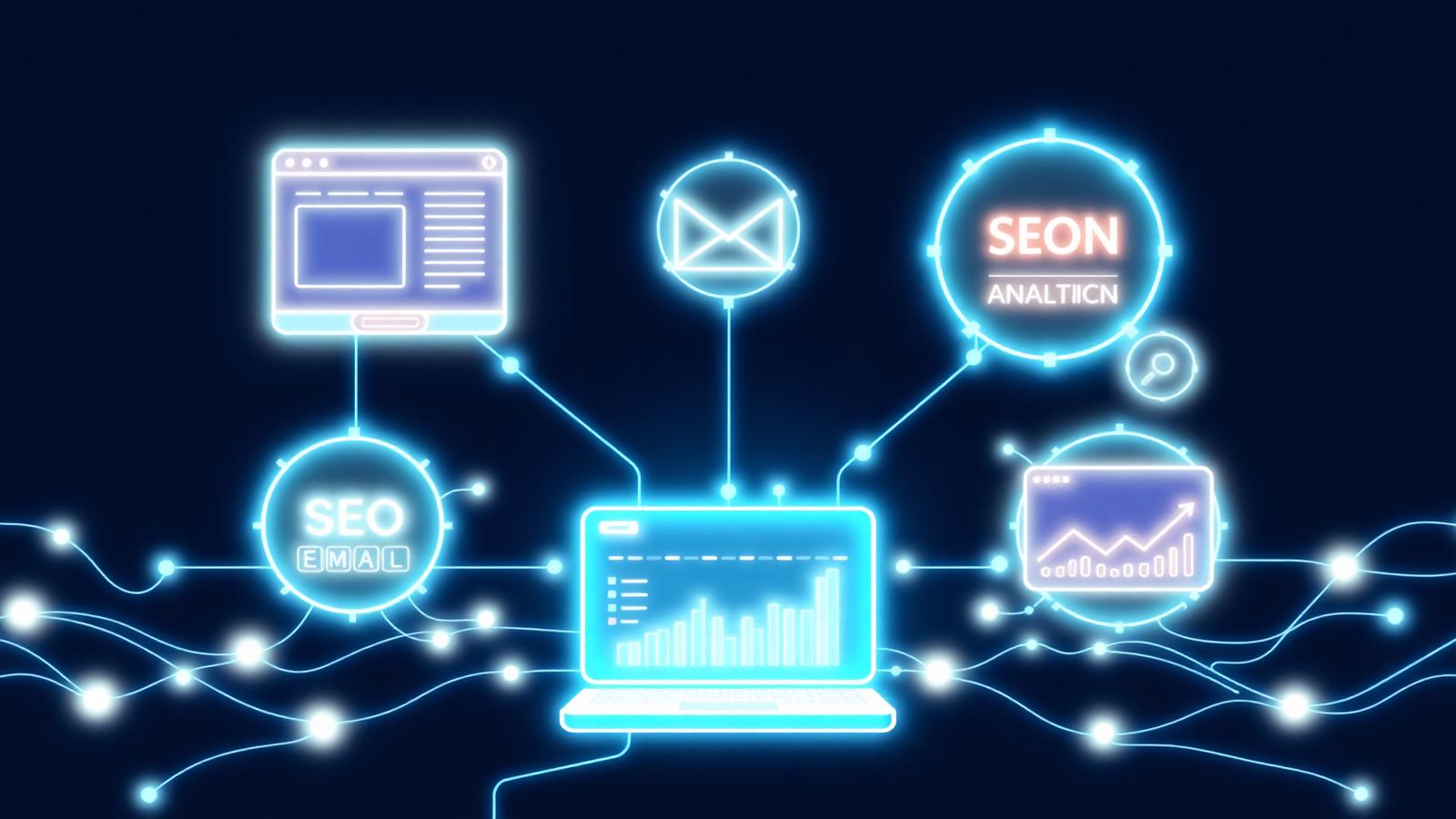
Many businesses invest heavily in marketing but struggle to achieve consistent results. They launch advertising campaigns, post on social media, attend networking events, and experiment with different promotional strategies, yet growth remains unpredictable. Often, the problem is not a lack of effort. The problem is a lack of foundational marketing assets.
Marketing assets are the tools, platforms, content, and systems that support customer acquisition, lead generation, brand awareness, and long-term business growth. Unlike short-term marketing tactics that produce temporary visibility, marketing assets continue delivering value long after they are created.
Businesses that consistently grow often have strong marketing foundations in place. They understand that successful marketing is not built around a single campaign. Instead, it is built around assets that work together to attract customers, build trust, nurture relationships, and support sales efforts. Understanding which marketing assets matter most can help businesses make smarter investments and create stronger opportunities for sustainable growth.
Your Website Is Your Most Important Marketing Asset
For most businesses, the website serves as the center of the marketing ecosystem. While social media platforms, advertising campaigns, and networking opportunities may introduce customers to a business, the website is often where prospects go to learn more, evaluate credibility, and decide whether to move forward.
A high-performing website does more than display information. It should build trust, explain services, answer questions, generate leads, support SEO, and encourage conversions. Businesses that treat their websites as active marketing tools often outperform those that view them as digital brochures. A professionally designed website creates opportunities around the clock and remains one of the most valuable marketing assets a business can own.
A Strong Brand Creates Recognition
Branding influences how customers perceive a business. It affects trust, recognition, differentiation, and customer loyalty. A strong brand includes more than a logo. It encompasses visual identity, messaging, positioning, customer experience, and reputation. Consistent branding helps businesses appear more professional and memorable.
When customers encounter consistent messaging across websites, social media platforms, marketing materials, and advertisements, they are more likely to remember the business and develop confidence in its services. Strong branding supports every other marketing effort. Without it, even effective campaigns may struggle to generate lasting impact.
Search Engine Optimization Creates Long-Term Visibility
Many marketing tactics stop producing results the moment spending stops. Search engine optimization works differently. SEO helps businesses improve visibility within search engines so potential customers can discover them when searching for relevant products and services. Strong SEO assets include optimized service pages, blog content, local SEO strategies, technical SEO improvements, and internal linking structures.
Unlike paid advertising, SEO can continue generating traffic for months or years after content is published. Businesses that invest consistently in SEO often create sustainable sources of qualified traffic that support long-term growth.
Google Business Profile Is Essential For Local Businesses
For local businesses, few marketing assets are more valuable than a properly optimized Google Business Profile. When customers search for nearby products and services, Google frequently displays business listings before traditional website results. A complete and optimized profile helps businesses improve visibility, attract reviews, and generate customer inquiries.
Important profile elements include accurate contact information, business descriptions, categories, photos, reviews, and regular updates. A strong Google Business Profile functions as a powerful local marketing asset that supports both visibility and credibility.
Customer Reviews Build Trust
Reviews have become one of the most influential forms of marketing. Potential customers frequently evaluate reviews before contacting businesses or making purchases. Positive reviews provide social proof and reduce uncertainty. A consistent flow of authentic customer feedback demonstrates credibility and reinforces trust.
Businesses should treat review generation as an ongoing process rather than an occasional activity. Platforms such as Google, Facebook, and industry-specific review sites help strengthen online reputation and improve customer confidence. Strong review profiles often become competitive advantages.
Professional Photography Elevates Perception
Visual content influences first impressions. Many businesses underestimate the value of professional photography and rely heavily on generic stock images. Authentic photography creates stronger connections. Images featuring team members, facilities, projects, products, and customers help businesses appear more trustworthy and relatable.
Professional photography can improve website engagement, social media performance, marketing materials, and brand perception. Businesses that invest in high-quality visuals often create stronger impressions and differentiate themselves from competitors.
Content Marketing Establishes Expertise
Content remains one of the most powerful marketing assets available. Educational content helps businesses answer questions, demonstrate expertise, and attract qualified traffic. Examples include blog articles, guides, FAQs, resource centers, and case studies. Content marketing creates opportunities to engage potential customers before they are ready to buy.
When businesses consistently publish valuable information, they position themselves as trusted authorities within their industries. Strong content assets can generate traffic, support SEO, and build credibility simultaneously.
Email Marketing Creates Direct Communication
Unlike social media platforms that control visibility through algorithms, email marketing provides direct access to audiences. Businesses that build email lists create valuable communication channels they control. Email marketing can support customer retention, promotions, newsletters, product launches, educational content, and lead nurturing.
Over time, a healthy email database becomes one of the most valuable marketing assets a business possesses. It enables organizations to communicate directly with interested prospects and existing customers.
Social Media Profiles Support Visibility
Social media should not be viewed as a complete marketing strategy, but it remains an important marketing asset. Strong social profiles help businesses increase awareness, share content, engage audiences, demonstrate expertise, and build community. Customers often research businesses on social platforms before making decisions.
Active, professional profiles contribute to credibility and support broader marketing efforts. Consistency matters more than frequency. Businesses that maintain professional, branded social media presences often strengthen customer trust.
A CRM Helps Manage Relationships
Customer relationship management systems help businesses organize and manage interactions with prospects and customers. As businesses grow, relying on memory and spreadsheets becomes increasingly difficult. A CRM provides contact management, lead tracking, follow-up reminders, sales pipeline visibility, and customer history.
These capabilities help businesses improve organization and ensure opportunities do not fall through the cracks. A well-managed CRM supports both marketing and sales effectiveness.
Case Studies Demonstrate Results
Prospective customers often want proof that a business can deliver results. Case studies provide that proof. Strong case studies showcase challenges, solutions, outcomes, and client experiences. They help prospects visualize how the business may help them achieve similar results.
Case studies combine storytelling with credibility, making them valuable marketing assets for service-based organizations. They often become some of the most persuasive content available on a website.
Marketing Automation Increases Efficiency
Growing businesses benefit from systems that improve efficiency. Marketing automation allows organizations to communicate consistently without requiring constant manual effort. Examples include automated emails, appointment reminders, lead nurturing campaigns, follow-up sequences, and customer onboarding workflows.
Automation helps businesses maintain communication while freeing teams to focus on higher-value activities. When implemented strategically, automation enhances both customer experience and operational efficiency.
Analytics Help Drive Better Decisions
Many businesses make marketing decisions based on assumptions. Analytics provide clarity. Tools such as Google Analytics and website reporting platforms help businesses understand traffic sources, user behavior, conversion performance, content effectiveness, and marketing ROI.
Data-driven insights help identify strengths, weaknesses, and opportunities. Businesses that regularly review analytics often make better decisions and achieve stronger results over time.
Internal Marketing Resources Matter
Marketing assets are not limited to external-facing materials. Internal resources also contribute to growth. Examples include brand guidelines, sales materials, marketing playbooks, process documentation, and content calendars. These resources improve consistency and help teams execute marketing efforts more effectively. Strong internal systems support stronger external marketing performance.
Building A Marketing Ecosystem
The most successful businesses rarely rely on a single marketing asset. Instead, they create ecosystems where assets support one another. A website supports SEO. SEO drives traffic. Content builds trust. Reviews strengthen credibility. Email marketing nurtures relationships. Social media expands visibility. CRM systems improve follow-up.
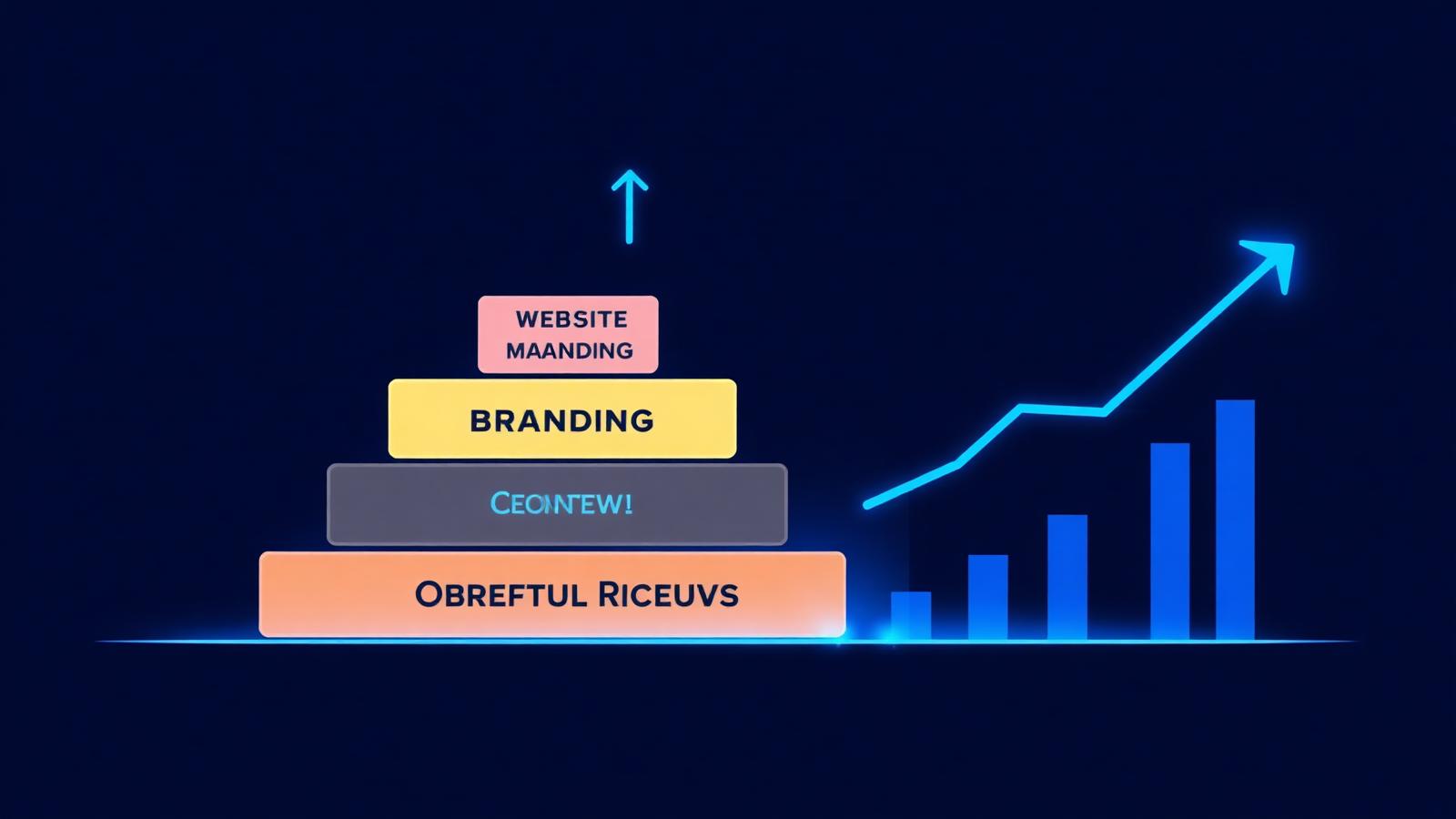
Together, these assets create a comprehensive marketing foundation. Businesses that invest in interconnected systems often achieve more consistent growth than those pursuing isolated tactics.
Conclusion
Marketing success is rarely the result of a single campaign or promotional effort. More often, it comes from building and maintaining valuable marketing assets that continue delivering results over time. A strong website, professional branding, SEO, content marketing, reviews, email marketing, CRM systems, social media profiles, analytics, and marketing automation all contribute to long-term growth.
Organizations that invest in marketing assets create sustainable advantages that support future growth and reduce dependence on short-term tactics. At Young World Marketing, we help businesses develop the marketing foundations needed to compete effectively in today's digital environment. By building the right marketing assets and integrating them into a cohesive strategy, businesses can create stronger opportunities for visibility, engagement, lead generation, and long-term success.
Build the marketing foundation your business needs.
Young World Marketing helps businesses build the assets, systems, and strategy required for sustainable, long-term growth.