
Marketing has become more complex than ever. Business owners are expected to manage websites, search engine optimization, social media, email marketing, online reviews, paid advertising, content creation, customer follow-up, and lead generation — often with limited time and resources.
The businesses that consistently grow are not necessarily the ones spending the most money. More often, they are the companies operating with proven marketing frameworks, repeatable processes, and effective digital marketing tools. Rather than relying on guesswork, they use systems that create consistency, improve efficiency, and help turn marketing activities into measurable business results.
This guide highlights some of the most valuable digital marketing frameworks, templates, and tools modern businesses can use to attract customers, improve marketing performance, and support long-term growth.
Why Marketing Systems Matter
Many businesses struggle with inconsistent marketing because they lack structure. One week they focus on social media. The next week they experiment with advertising. A month later they abandon both strategies and start something entirely new.
Without a framework, marketing becomes reactive. Successful businesses typically operate from documented systems that define how leads are generated, nurtured, converted, and retained. These systems create predictability and make it easier to measure results.
A marketing framework serves as a roadmap that helps businesses allocate resources, prioritize activities, and improve performance over time.
The Customer Journey Framework
One of the most effective marketing models is the customer journey framework. Most customers do not make purchasing decisions immediately. Instead, they move through several stages before becoming buyers: Awareness, Consideration, Decision, Purchase, Retention, and Referral.
Each stage requires different marketing strategies. For example, awareness-stage prospects may discover your business through Google searches, blog articles, social media content, or referrals. During the consideration stage, they often compare competitors, read reviews, and evaluate solutions. The decision stage may involve consultations, quotes, demonstrations, or proposals.
Businesses that understand this process can create marketing campaigns that guide prospects naturally through the buying journey.
The Lead Generation Framework
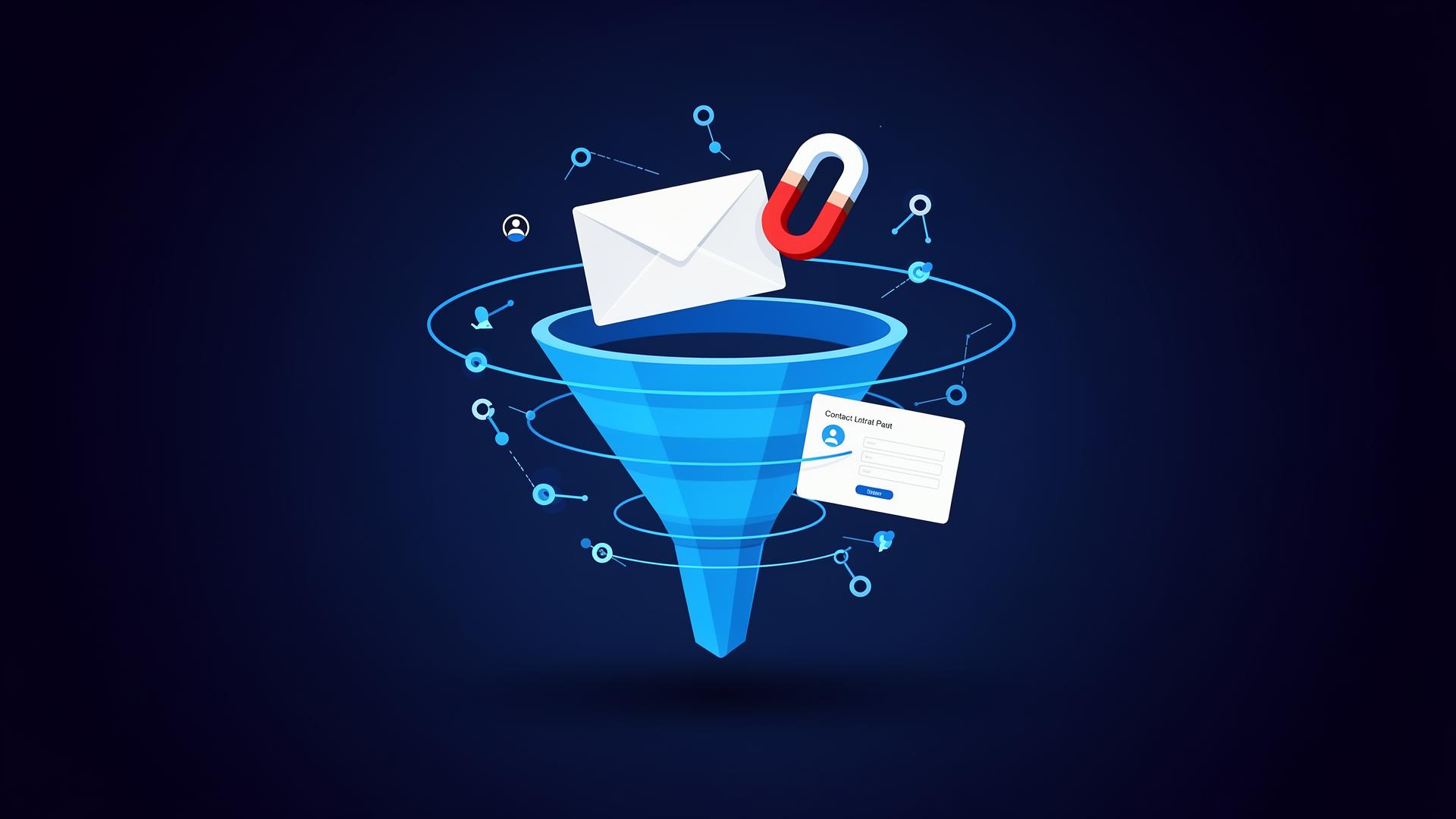
Lead generation remains one of the most important objectives for most businesses. A proven lead generation framework often includes Traffic Generation, Lead Capture, Lead Nurturing, Sales Conversion, and Follow-Up.
Traffic can come from SEO, Google Business Profile optimization, social media marketing, referrals, email marketing, or paid advertising. Lead capture mechanisms may include contact forms, consultation requests, quote forms, downloadable resources, appointment scheduling, and live chat.
Once captured, leads should enter a structured follow-up process that increases conversion opportunities. Businesses that consistently follow this framework often outperform competitors that rely solely on referrals or passive marketing efforts.
Website Conversion Optimization Template
A website should function as more than an online brochure. Every business website should include a clear headline that immediately communicates what the business does, who it serves, and why it is different.
Strong calls-to-action — such as Request a Quote, Schedule a Consultation, Book an Appointment, or Contact Us Today — give visitors a clear next step. Trust signals like customer reviews, testimonials, certifications, awards, case studies, and years of experience help build credibility.
Most website traffic now comes from mobile devices, so responsive design is essential for user experience and search visibility. Slow websites reduce conversions and increase bounce rates. Businesses that regularly optimize these areas often experience measurable improvements in lead generation performance.
Content Marketing Planning Template
Content marketing remains one of the most effective long-term digital marketing strategies. Rather than publishing random content, businesses should create a structured content calendar.
A simple monthly content plan may include an educational article in Week 1, a customer success story in Week 2, frequently asked questions in Week 3, and industry insights or trends in Week 4. This approach creates consistency while helping businesses improve SEO, demonstrate expertise, and attract qualified traffic.
High-quality content often continues generating website traffic for months or even years after publication.
Email Marketing Framework
Email marketing remains one of the highest-return marketing channels available. A simple email framework includes a welcome sequence introducing your business, educational emails providing tips and insights, promotional emails highlighting products or offers, follow-up emails re-engaging inactive prospects, and customer retention emails maintaining relationships after the sale.
Businesses that communicate consistently often improve customer retention while generating additional revenue opportunities.
Local SEO Checklist
Local search visibility is critical for service-based businesses. Every local business should regularly review Google Business Profile optimization, consistent business information, customer reviews, location pages, local keyword targeting, mobile usability, website speed, and local backlinks.
Local SEO helps businesses appear in searches performed by nearby customers actively looking for products or services. For many companies, local search generates some of the highest-quality leads available.
Social Media Content Framework
Many businesses struggle with social media because they constantly wonder what to post. A simple 40/30/20/10 framework can solve this problem: 40% educational content (tips, advice, guides), 30% authority content (case studies, accomplishments, expertise), 20% community content (team, events, local involvement), and 10% promotional content (offers, services, calls-to-action).
This balance helps businesses build trust without overwhelming audiences with sales messages.
Marketing Tools Every Business Should Consider
The right tools can improve efficiency and simplify marketing management. Popular categories include website and SEO tools (Google Search Console, Google Analytics, PageSpeed Insights), design tools (Canva, Adobe Express), email marketing platforms (Mailchimp, Constant Contact, ActiveCampaign), social media scheduling (Buffer, Hootsuite, Meta Business Suite), reputation management (Google Business Profile, review management platforms), and CRM and lead management systems (GoHighLevel, HubSpot CRM, Follow Up Boss, and real estate-specific CRMs).
The ideal technology stack varies based on business goals, industry, and budget.
Why a Professional Website Remains the Foundation
Every marketing channel ultimately benefits from a strong website. SEO campaigns drive traffic to websites. Social media campaigns direct visitors to websites. Email marketing sends prospects to websites. Paid advertising campaigns generate website traffic. Without a professional website, marketing efforts often produce weaker results.
A well-designed website helps businesses build trust, generate leads, improve conversions, increase visibility, and support long-term growth.
For Milwaukee businesses seeking professional website design, local SEO services, branding, hosting, website maintenance, and digital marketing support, Young World Marketing provides customized solutions designed to help businesses establish stronger online foundations and achieve measurable results.
Conclusion
Modern marketing success is rarely the result of isolated tactics. Businesses that grow consistently rely on frameworks, templates, systems, and tools that support repeatable results.
By implementing structured marketing processes, improving lead generation systems, optimizing websites, strengthening SEO efforts, and leveraging the right technology, businesses can create sustainable growth while making marketing more predictable and effective.
The companies that succeed long term are not simply marketing more. They are marketing smarter.
Whether you're launching a startup, growing an established company, or looking to improve your digital presence, the right frameworks and tools can provide the foundation needed to attract more customers and support future growth.
Ready to build smarter marketing systems?
Young World Marketing helps businesses implement the frameworks, websites, SEO, and lead generation systems that turn marketing into measurable growth.