
Search engine optimization is often discussed in terms of keywords, blog content, backlinks, and Google Business Profiles. While these elements are important, they represent only part of the SEO picture. Behind every high-ranking website is a technical foundation that helps search engines understand, crawl, index, and evaluate content efficiently.
Many business owners invest heavily in website design, advertising, and content marketing but overlook technical SEO. As a result, they may unknowingly create obstacles that prevent their website from reaching its full potential in search results. A website can contain excellent content and strong calls to action, yet still struggle to rank if search engines encounter technical issues while attempting to access or understand the site.
Technical SEO focuses on optimizing the infrastructure of a website. It helps search engines navigate pages more effectively while improving user experience, site performance, and overall visibility. For businesses seeking long-term online growth, technical SEO serves as the foundation upon which all other digital marketing efforts are built.
What Is Technical SEO?
Technical SEO refers to the process of optimizing the technical elements of a website so search engines can crawl, interpret, and index content efficiently. Unlike content marketing or local SEO, technical SEO often operates behind the scenes.
Visitors may never notice many technical SEO improvements directly. However, search engines notice them immediately.
Technical SEO influences how quickly a website loads, how easily search engines discover pages, how mobile-friendly a site appears, how secure user data remains, and how effectively content is organized. These factors contribute to search visibility and user satisfaction.
A technically optimized website creates fewer barriers between search engines and your content. This allows Google and other search engines to evaluate pages more accurately and rank them more competitively.
Why Technical SEO Matters More Than Ever
Search engines have become increasingly sophisticated. Modern algorithms evaluate not only content relevance but also user experience and website performance.
Businesses compete in crowded online markets where small differences can significantly impact rankings and lead generation. Technical SEO helps create those competitive advantages.
A website that loads quickly, functions smoothly on mobile devices, and provides a seamless browsing experience is more likely to earn favorable treatment from search engines. At the same time, users are more likely to stay engaged, view additional pages, and convert into customers.
Technical SEO is no longer optional. It has become a fundamental requirement for businesses that want to compete effectively online.
Website Speed and Performance
One of the most important technical SEO factors is website speed. Modern consumers expect websites to load almost instantly. Delays of only a few seconds can increase bounce rates and reduce conversion opportunities. Google recognizes this behavior and incorporates website performance into its ranking considerations.
Slow websites often experience lower engagement, higher bounce rates, reduced conversions, and poorer search visibility. Website speed can be affected by numerous factors, including oversized images, excessive plugins, poorly optimized code, inefficient hosting environments, and unnecessary scripts.
Business owners should regularly evaluate website performance and look for opportunities to improve loading times. Faster websites not only rank better but also provide a better overall customer experience.
Understanding Core Web Vitals
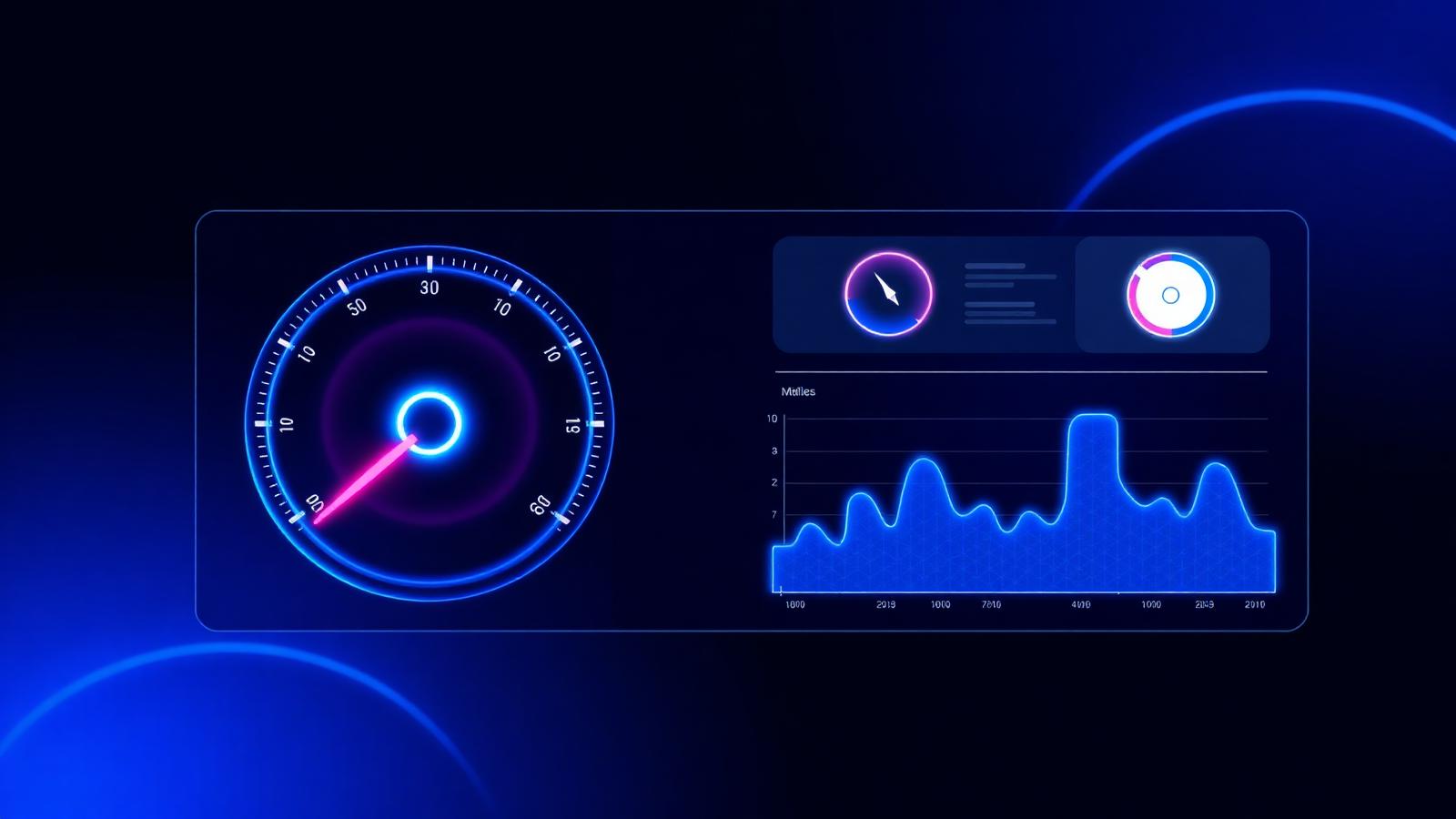
Google introduced Core Web Vitals to measure critical aspects of user experience. These metrics evaluate loading performance, visual stability, and interactivity. Core Web Vitals help search engines determine whether visitors can interact with a website efficiently and without frustration.
When pages load quickly, respond promptly, and remain visually stable, users enjoy a smoother experience. These signals contribute to stronger technical SEO performance and improved search visibility.
Although business owners do not need to become technical experts, understanding the importance of Core Web Vitals helps prioritize website improvements that support both rankings and conversions.
Mobile Optimization Is Essential
The majority of web traffic now originates from smartphones and tablets. Google primarily uses mobile-first indexing, meaning it evaluates the mobile version of a website when determining rankings. A website that performs poorly on mobile devices can experience significant SEO challenges.
Mobile optimization includes responsive design, easy navigation, readable text, fast loading times, mobile-friendly forms, and proper image scaling. Visitors expect a seamless experience regardless of device. Businesses that fail to provide strong mobile usability risk losing both search visibility and potential customers.
Website Security and HTTPS
Trust plays a critical role in online success. Website security protects users while also sending positive signals to search engines. HTTPS encryption helps secure data transmitted between visitors and websites. Browsers now actively warn users when websites lack proper security certificates.
These warnings can reduce trust and negatively impact conversions. Search engines favor secure websites because they provide safer browsing experiences. Ensuring that a website uses HTTPS is one of the simplest yet most important technical SEO improvements available.
Crawlability and Indexing
Search engines discover content by crawling websites. If search engines cannot access pages efficiently, those pages may never appear in search results. Crawlability refers to how easily search engines navigate a website. Indexing refers to whether those pages are added to the search engine's database.
Common issues that interfere with crawling and indexing include broken links, incorrect redirects, blocked resources, duplicate content, misconfigured robots.txt files, and missing XML sitemaps. Even high-quality content can struggle to rank if search engines encounter technical barriers during the crawling process. Regular technical audits help identify and resolve these issues before they impact visibility.
XML Sitemaps and Search Visibility
An XML sitemap acts as a roadmap for search engines. It helps search engines discover important pages and understand how content is organized throughout a website. While search engines can often find pages independently, sitemaps improve efficiency and increase the likelihood that important content is indexed quickly.
For businesses publishing blogs, resources, service pages, and location pages, maintaining an updated XML sitemap is an important technical SEO practice.
Site Architecture and Content Organization
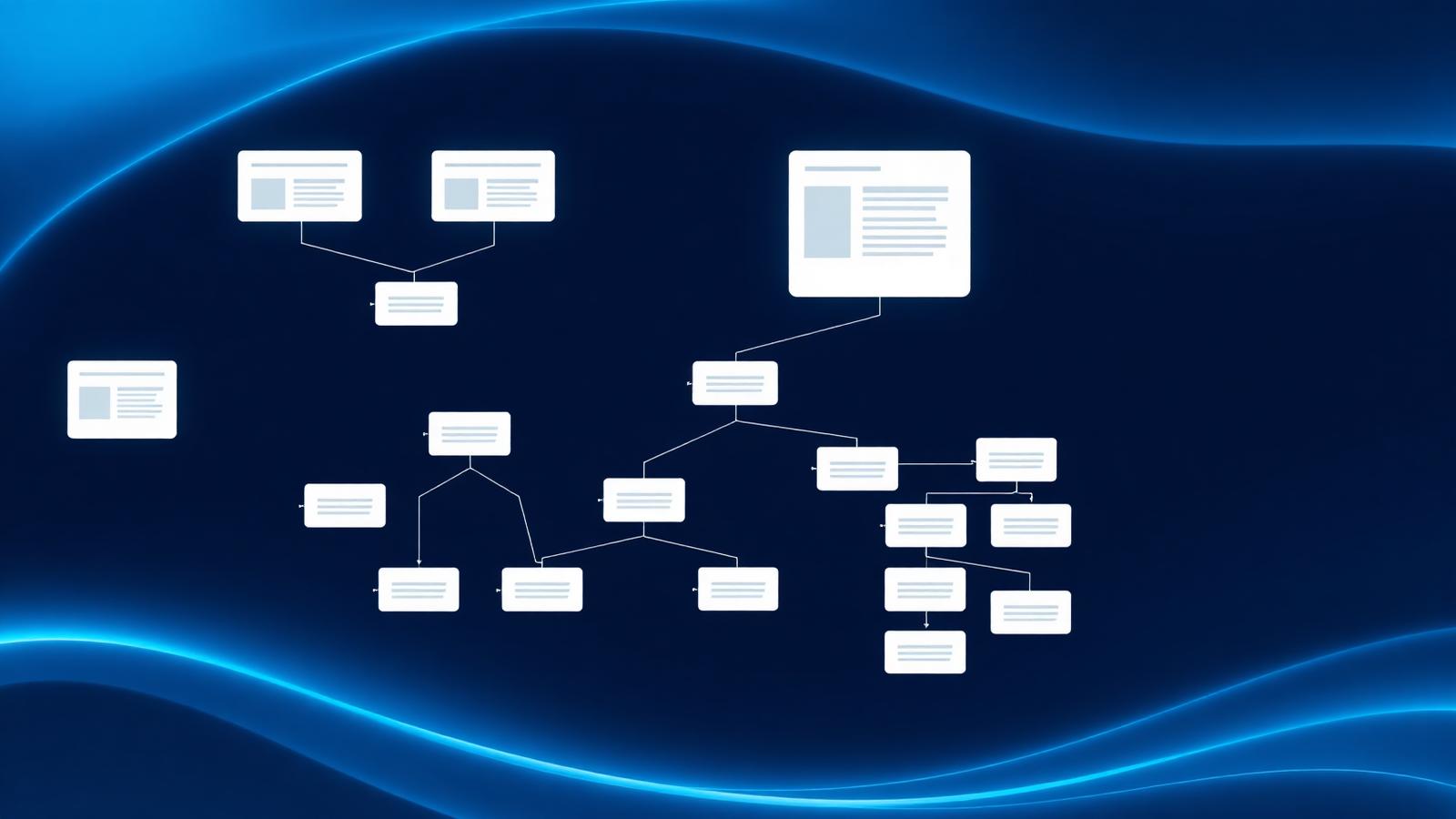
Website structure affects both users and search engines. Well-organized websites make it easier for visitors to find information while helping search engines understand relationships between pages. Strong site architecture typically includes logical navigation, a clear page hierarchy, internal linking, organized service categories, and structured content silos.
Businesses should think of website architecture as a blueprint that guides both visitors and search engines through the website experience. Poor organization can create confusion, while strong architecture supports visibility, engagement, and conversions.
Internal Linking Strategies
Internal links connect pages throughout a website. They help distribute authority, guide visitors to relevant content, and assist search engines in discovering additional pages. Many businesses underestimate the value of internal linking.
Strategic internal links can strengthen important pages, improve crawl efficiency, and increase user engagement. For example, a blog article discussing SEO may naturally link to a related service page, resource guide, or case study. These connections help establish topical relevance while improving overall website organization.
Structured Data and Schema Markup
Structured data helps search engines understand content more effectively. Schema markup provides additional context about businesses, services, reviews, articles, events, products, and other website elements.
When implemented correctly, structured data can enhance search listings through rich results and expanded search features. Although users may never see schema markup directly, it helps search engines interpret information more accurately and can improve visibility within search results.
Duplicate Content Issues
Duplicate content occurs when identical or highly similar content appears across multiple URLs. Search engines may struggle to determine which version should rank, reducing visibility opportunities.
Duplicate content can result from URL variations, printer-friendly pages, product duplication, improper redirects, and content management system issues. Businesses should regularly review content and implement canonical tags where necessary to ensure search engines understand which pages should receive ranking credit.
Technical SEO and User Experience
Technical SEO is ultimately about creating better experiences. Search engines increasingly reward websites that serve users effectively. Fast-loading pages, intuitive navigation, mobile responsiveness, secure browsing, and accessible content all contribute to positive user experiences.
When users enjoy interacting with a website, engagement metrics improve naturally. Search engines often interpret these positive interactions as indicators of quality and relevance. Technical SEO and user experience are no longer separate disciplines. They work together to influence digital performance.
Common Technical SEO Mistakes
Many businesses unknowingly create technical issues that limit growth. Common mistakes include ignoring website speed, failing to optimize mobile experiences, neglecting technical audits, allowing broken links to accumulate, publishing duplicate content, using outdated plugins and software, and creating confusing navigation structures. Regular monitoring helps prevent these issues from developing into larger problems.
Building a Strong Technical SEO Foundation
Technical SEO should not be viewed as a one-time project. Websites evolve. New content is added. Software updates occur. Search engine algorithms change. Maintaining strong technical performance requires ongoing attention and periodic evaluation.
Businesses that prioritize technical SEO create stronger foundations for content marketing, local SEO, paid advertising, reputation management, and lead generation efforts. Without a solid technical foundation, even the best marketing strategies can struggle to achieve their full potential.
Conclusion
Technical SEO may not receive the same attention as keywords, blogs, or social media marketing, but it remains one of the most important elements of long-term digital success. A technically optimized website helps search engines understand content, improves user experience, increases visibility, and creates stronger opportunities for lead generation and growth.
Business owners who invest in technical SEO position themselves for sustainable success in an increasingly competitive digital landscape. Whether you're launching a new website or improving an existing one, focusing on technical SEO fundamentals can help create a stronger foundation for every other marketing effort.
At Young World Marketing, we help businesses strengthen their digital foundations through professional website design, SEO strategy, technical optimization, and ongoing website improvements designed to support long-term growth and measurable business results.
Ready to strengthen your technical SEO foundation?
Young World Marketing helps businesses improve site performance, search visibility, and long-term growth through expert technical optimization and digital strategy.